Why Pool Fencing Rules Are Different From Regular Fence Bylaws
If you already looked into general property-line fence limits, you may have read our post on fence height bylaws in Brampton, Mississauga & the GTA. Pool enclosures are a separate — and stricter — category. Most GTA municipalities regulate swimming pool fencing through a dedicated "pool enclosure bylaw" that sits on top of the Ontario Building Code's requirements for a private pool. The intent is simple: prevent young children from wandering into a backyard pool unsupervised. That means minimum heights are higher, gaps and climbable features are restricted, and gates must self-close and self-latch — none of which typically applies to a standard side or backyard fence.
Because a pool is being installed (a permit-triggering structure in itself in some municipalities), inspectors will check the enclosure before they sign off on pool construction, and again before final approval. Getting the fence wrong can delay your pool opening by weeks.
Important: bylaw wording and enforcement details change and vary by municipality, and some are folded into the Ontario Building Code (Div. B, pool enclosure provisions) rather than a standalone bylaw. Treat every figure below as a planning estimate and confirm current wording with your local building department before finalizing a design.
The Core Requirements Most GTA Municipalities Share
Across Brampton, Mississauga, Toronto, Vaughan, and Caledon, pool enclosures generally need to meet these baseline principles:
- Minimum fence height around the pool area (commonly 1.2 m / 4 ft, measured from finished grade)
- No gaps, openings, or gaps under the fence larger than roughly 10 cm (4 inches) — small enough that a child can't squeeze through
- No horizontal rails or climbable elements on the outside face that create a "ladder effect"
- Gates must be self-closing and self-latching, with the latch mechanism mounted high enough that a small child can't reach it
- Any house wall that forms part of the enclosure often needs an alarmed door or a separate barrier between the house and pool
- The enclosure must fully separate the pool from the rest of the yard, the street, and neighbouring properties
Where municipalities differ is height minimums, whether an existing 4-ft backyard fence can double as part of the enclosure, gate hardware specifics, and permit/inspection timing.
Typical Municipal Differences (Verify Locally)
| Municipality | Typical minimum enclosure height | Existing fence reuse | Pool enclosure permit required? |
|---|---|---|---|
| Toronto | 1.5 m (varies by pool type) | Often allowed if it meets gap/latch rules | Yes, tied to pool permit |
| Brampton | 1.2–1.5 m | Case-by-case, inspected | Yes |
| Mississauga | 1.2–1.5 m | Case-by-case, inspected | Yes |
| Vaughan | 1.2–1.5 m | Case-by-case, inspected | Yes |
| Caledon | 1.2 m (rural lots may have added setback rules) | Case-by-case, inspected | Yes |
Many municipalities also distinguish between an above-ground pool (sometimes the pool wall itself counts as part of the barrier if it meets height and access rules) and an in-ground pool (which almost always needs a full perimeter enclosure). Hot tubs with a locking, code-compliant cover are frequently exempt from a full fence requirement — but the cover has to be genuinely lockable and used, not decorative.
What This Means for Fence Material Choice
Not every fence style is a good fit for pool code. Horizontal-rail wood fences and open chain-link with wide diamond mesh are common fail points during inspection because they're climbable or leave gaps below spec. The materials that typically pass inspection cleanly:
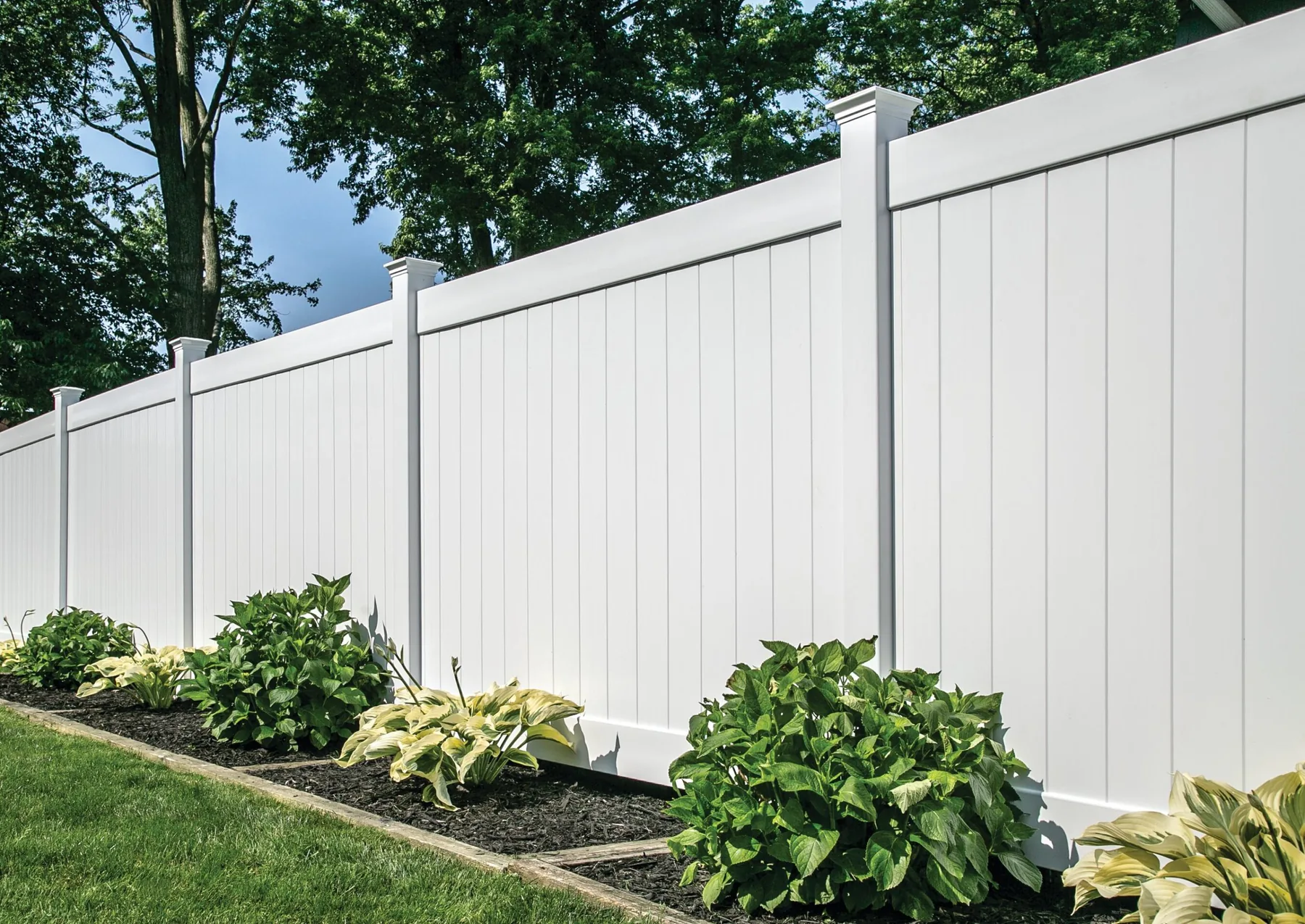
- Vinyl privacy or picket fencing at the required height, with vertical pickets and no horizontal footholds
- Aluminum pool fence panels — the purpose-built option, code-friendly by design, narrow picket spacing, self-closing hinges available as standard hardware
- Cedar fencing with vertical board style and no exterior rails — works if built to spec, though maintenance is higher (see our comparison of cedar vs vinyl fencing for durability trade-offs)
- Chain-link with small-diamond mesh and a top rail configured to avoid a climbing ladder — sometimes allowed but scrutinized closely
Realistic 2026 Cost Ranges
Costs vary with linear footage, gate count, and material, but here's what GTA homeowners are typically budgeting for a compliant pool enclosure in 2026:
| Item | Estimated Cost (CAD) |
|---|---|
| Aluminum pool fence, installed | $55–$90 / linear ft |
| Vinyl privacy/picket fence built to pool spec | $45–$75 / linear ft |
| Self-closing, self-latching gate hardware (per gate) | $150–$350 |
| Additional gate (beyond one) | $600–$1,500 installed |
| Municipal pool enclosure permit fee | $150–$500 |
| Alarmed door/barrier retrofit on house entry | $200–$600 |
For a typical suburban backyard needing roughly 100–150 linear feet of enclosure plus two gates, total project costs commonly land between $7,000 and $16,000, before the pool itself. Corner lots, pool houses, or irregular yard shapes can push that higher.
Compliance Checklist Before You Call for Inspection
- Fence height meets or exceeds your municipality's minimum, measured from finished grade on the outside
- No gap under the fence exceeds roughly 10 cm (4 in), including after settling or mulch loss
- No horizontal rails, decorative cutouts, or protrusions on the outer face that could be used as footholds
- All gates are self-closing and self-latching, with the latch out of easy reach for a small child
- Any house door opening directly onto the pool area has an alarm or is otherwise excluded from the enclosure
- Fence forms a continuous barrier with no unenclosed sections along neighbouring fences or the house
- Permit obtained and inspection scheduled before the pool is filled or opened for use
Planning the Project Around Your Pool Installation Timeline
Pool contractors and fence contractors often work on different schedules, and a common mistake is ordering the pool without confirming the enclosure can be built and inspected in time for opening. Order fencing materials early in spring — vinyl and aluminum pool fence panels can have longer lead times during peak installation season (April–June) in the GTA. If you're doing a full backyard overhaul at the same time, it's worth coordinating the pool fence with any interlocking patio or landscaping work happening around the pool deck so grading, drainage, and fence post footings don't conflict.
Getting a written quote that separates fence-only costs from gate hardware and permit coordination helps avoid surprises once the inspector's list comes back.
Get a fence design and quote matched to your municipality's pool enclosure rules at request a quote.
Related Services